A deeper look into where our cacao comes from, how it's grown, and the journey from seed to cup.
Forest
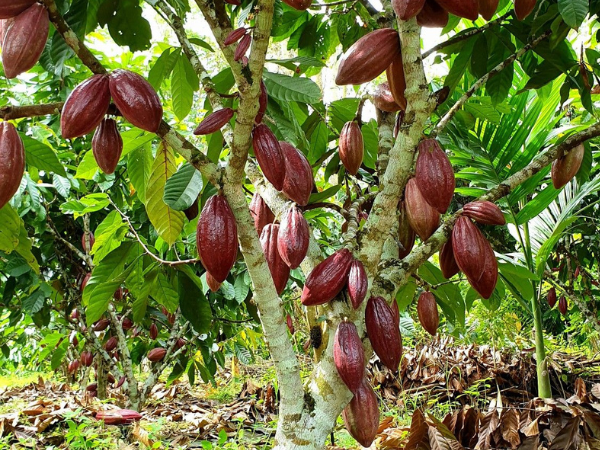
Our cacao is sourced via Cacao Source, based in Lake Atitlán, Guatemala. It is grown in rainforest regions by small-scale farming communities across Suchitepéquez, Alta Verapaz, and Izabal. The flavour of cacao varies from one origin to another, shaped by the region, climate, and soil in which it grows.
Harvest
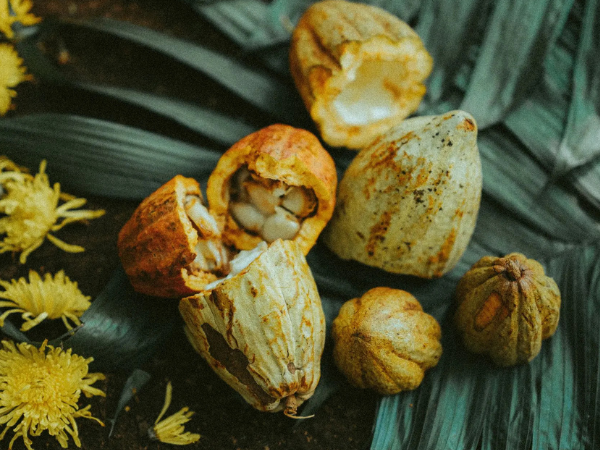
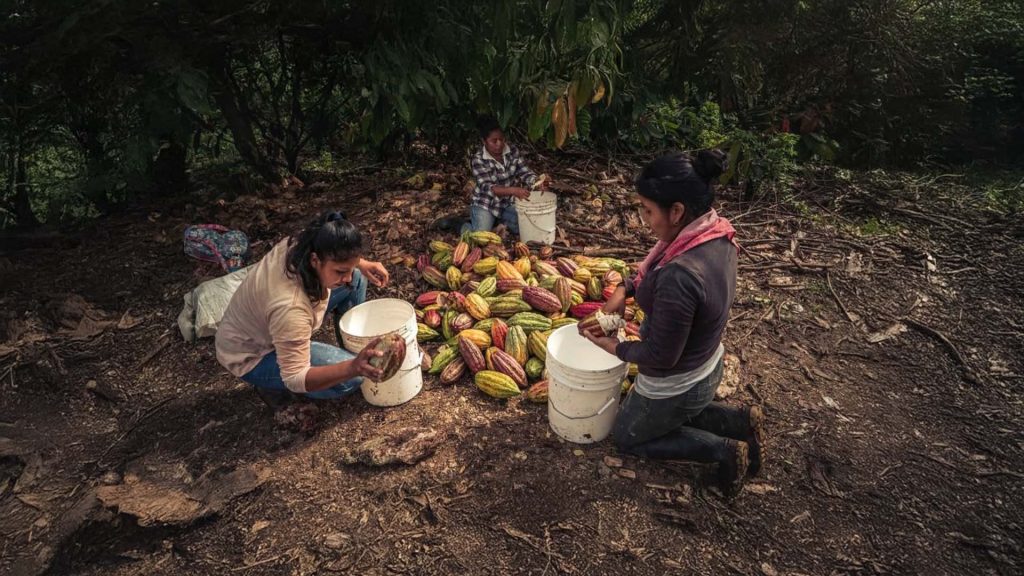
After several months of growth, the ripe pods are harvested by farmers in Guatemala and split open by hand, revealing cacao seeds nestled in a layer of sweet white fruit. Each harvest is kept single-origin, meaning the beans come from one specific farm or growing area.
Fermentation
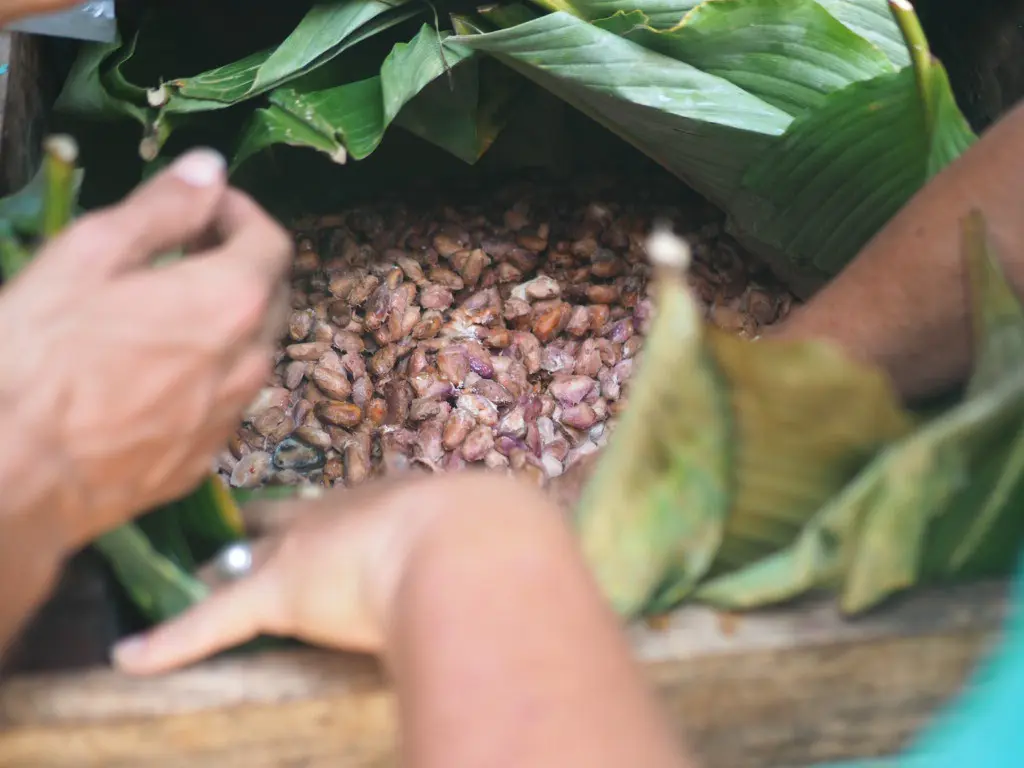
The beans are fermented for several days in wooden boxes — a natural process that generates warmth and begins developing their flavour.
Drying + Toasting
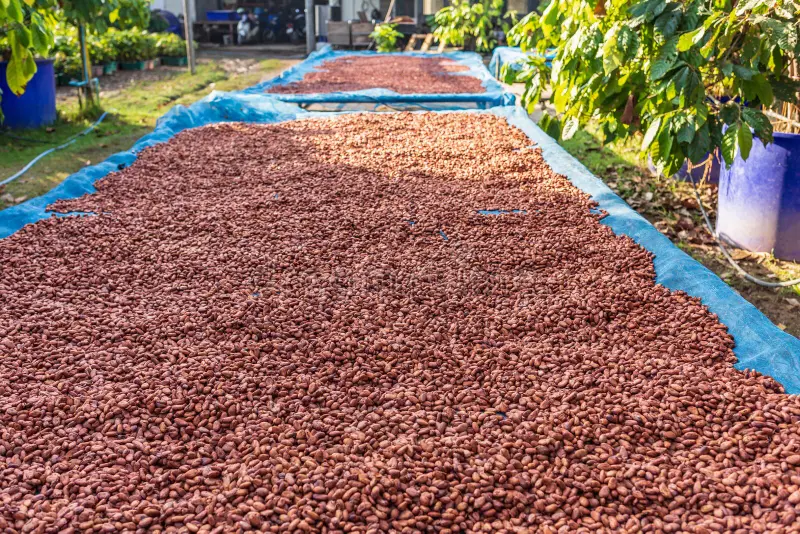
After fermentation, the beans are laid out in the sun to dry, often on raised beds or patios. After drying, the beans are gently toasted to deepen their flavour and aroma. This process also loosens the outer husk, making it easier to remove during the next stage.
Peeling
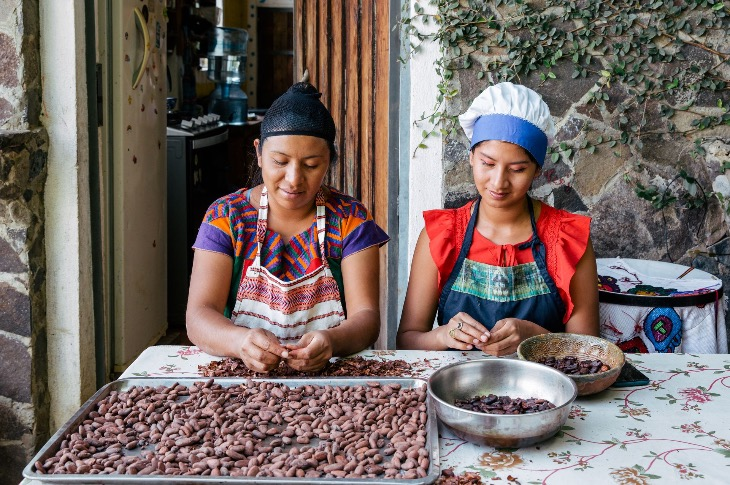
Once dried, the beans are hand-peeled by women’s cacao processing collectives in Guatemala, who work from their homes, allowing flexibility within their daily lives. This model, developed by Cacao Source, supports a network of women’s collectives and reflects an approach built on fair compensation, collaboration, and long-term relationships.
Stone Ground + Forming
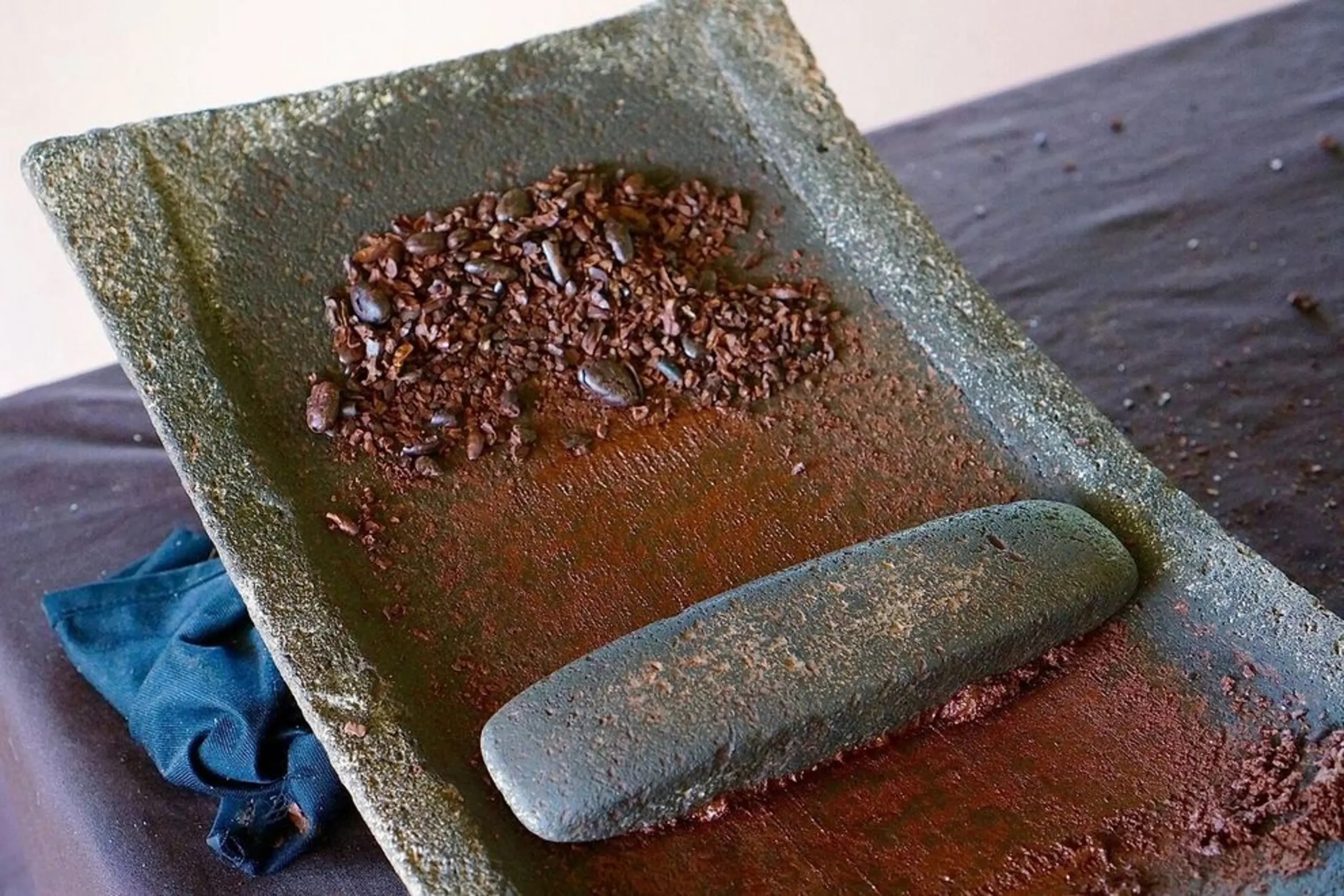
The peeled beans are then hand-ground using traditional stone methods, slowly breaking them down and releasing their natural cacao butter, forming a smooth paste.
The paste is poured into molds and allowed to cool and solidify into blocks. It is then wrapped in a biodegradable film and paper.
We source our cacao through Cacao Source, a Guatemalan-based distributor whose approach to ethics and transparency deeply aligned with our values.
About Cacao Source
When choosing who to source cacao through, ethics and transparency were deeply important to me.
In 2024, I travelled to Guatemala and had the opportunity to meet Jojo, one of the founders of Cacao Source — someone who approaches this work with a lot of heart and care — and to experience cacao in ceremony on the land where it is grown.
What I experienced was a genuine care for the work — in the way relationships are built, in the support of farmers and women’s collectives, and in the intention to keep learning and improving over time.
This is an evolving system, shaped by care, accountability, and respect for the people and ecosystems at its foundation.
For more detailed information, you can visit Cacao Source’s website, where they share annual transparency reports, including sourcing practices, farm relationships, and testing such as heavy metal analysis.
If there is anything not covered here, please feel free to reach out — I am committed to sharing as much clarity and information as possible as this work continues to evolve.